Canada's advisory level for Cuba
On travel.gc.ca, Cuba is rated "Avoid non-essential travel." It isn't the highest level, but it's a serious warning. The reason given isn't crime. It's the shortages of fuel, electricity, food, water and medicine, which also affect resort services and ground transportation.
The advisory notes that operations at the Embassy of Canada in Havana are affected and consular services may be reduced. It also suggests that travellers already in Cuba leave while commercial options remain. Check the official page right before you book and again before you fly, since it changes often (checked in November 2026).
No direct flights from Montreal or Quebec City for now
Air Canada stopped flying to Cuba in February 2026 because of jet fuel shortages at Cuban airports. Air Transat and WestJet followed. On June 5, 2026, Air Canada postponed its return "until further notice." According to Travel Market Report (October 28, 2026), none of the three carriers had announced a restart date.
Canadian travellers now use connecting flights, through Mexico, Panama or the Bahamas for example. That changes the entry rules, which our passport and entry guide explains. The impact is striking. Cuba welcomed 128,400 Canadian visitors from January to August 2026, compared with 526,239 a year earlier, based on ONEI data cited in the same article.
Daily power outages and shortages
Power cuts happen every day and without warning, and nationwide outages lasting more than 24 hours are possible. Most large hotels and resorts run generators, but fuel shortages can limit their use. Fuel, medicine, food, bottled water and cash are also in short supply, and line-ups at gas stations sometimes lead to altercations.
During an outage, cards and ATMs may stop working. Our money and cards guide explains why cash is now essential. The Government of Canada recommends bringing:
- food supplies and water;
- an emergency kit;
- enough of your medication for the whole stay;
- enough cash for the entire trip.
Theft, scams and assaults in tourist areas
Pickpocketing, purse snatching and break-ins are common in tourist spots, markets, on beaches, buses, in nightclubs, hotel rooms and casas particulares. Sexual assaults against Canadian women have been reported, including at beach resorts. If you are the victim of a crime, file a report and ask for a comprobante de denuncia, the document that confirms your report. Police officers may speak only Spanish.
The Canadian advisory lists several common scams. Fake guides, cigar sellers, fake taxi drivers (including at Havana's airport), theft from checked luggage and overcharging come up often. Never leave your drink or food unattended, and turn down anything offered by strangers, since it could be drugged.
Health and medical care in Cuba
Dengue, chikungunya, Oropouche virus and Zika are present in Cuba. No vaccine or medication prevents dengue or Oropouche, while a chikungunya vaccine is approved in Canada. Take care to avoid bites. Rabies is also present, so stay away from stray dogs.
Health services are limited, with shortages of medicine and equipment, and ambulances may be slow to arrive. Here's the key point. Medical bills are payable in cash, in U.S. dollars only, and unpaid bills can stop you from leaving the country. Keep your medication in its original packaging, with the prescription, in your carry-on. Finally, make sure your insurance covers hospital stays and evacuation, and ask your insurer whether the current advisory affects your coverage.
Taxis, roads and swimming
Taxis have no meters, so agree on the fare before getting in. Roads are in poor condition, driving is dangerous and night driving is not recommended. In Cuba, an accident causing injury or death is treated as a crime, with sentences of up to 10 years. Rented mopeds are often targeted by thieves.
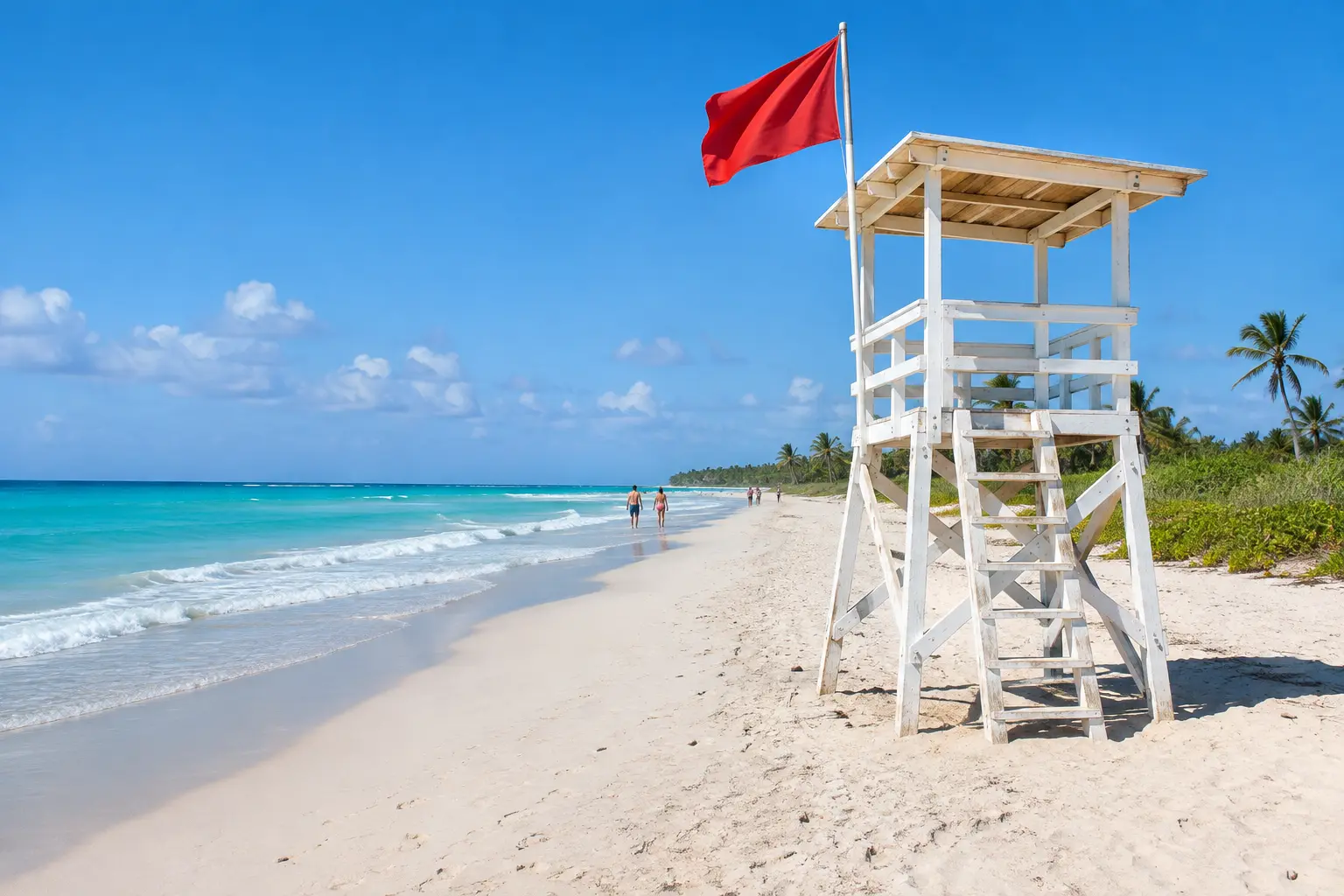
At the beach, watch for strong currents, jellyfish (known as agua mala) and coral. Lifeguard services don't meet Canadian standards, so follow the warning flags. Hurricane season runs from early June to the end of November, as our hurricane page explains.
Local laws to know before you go
A few rules catch travellers off guard. Any protest against the government is illegal. Photographing military, police, port, rail and airport facilities is prohibited. You must carry valid ID at all times, and drug penalties are severe.
Drones, satellite phones and e-cigarettes are banned, and GPS devices may be seized on arrival. The cell network is unreliable, your Canadian phone may not work and social media may be blocked. The Government of Canada recommends installing a VPN before leaving Canada.
Emergency numbers and the Canadian embassy
Write these down before you leave, on paper too, in case your phone has no signal.
| Service | Number or address |
|---|---|
| Police | 106 |
| Medical assistance | 104 |
| Firefighters | 105 |
| Embassy of Canada in Havana | Calle 30, No. 518, corner of 7ma, Miramar, +53 7 204-2516 |
| Consular office in Guardalavaca | Hotel Atlántico, Suite 1, (53-24) 430-320 |
Frequently asked questions
Is it dangerous to travel to Cuba right now?
Canada advises against non-essential travel to Cuba (advisory updated October 5, 2026). The main risk comes from shortages of electricity, fuel, food, water and medicine rather than from crime.
Are there still direct flights from Quebec to Cuba?
No. All Canadian airlines have suspended service to Cuba, and no restart date had been announced as of late October 2026. You need a connecting flight.
Do hotels have power during outages?
Most large hotels and resorts use generators, according to travel.gc.ca. Fuel shortages can still limit their use.
How do you pay a doctor or hospital in Cuba?
Medical bills are payable in cash, in U.S. dollars only. Insurance that covers hospital stays and evacuation is essential.
What number do you call in an emergency in Cuba?
Dial 106 for police, 104 for medical assistance and 105 for firefighters. The Embassy of Canada in Havana can be reached at +53 7 204-2516.
Sources consulted
- Conseils aux voyageurs, Cuba, gouvernement du Canada (mis à jour le 5 octobre 2026)
- Travel advice and advisories, Cuba, Government of Canada (updated October 5, 2026)
- Travel to and from Cuba, Air Canada (June 5, 2026)
- Cuba feels Canadian absence: visitor numbers plunge 76%, Travel Market Report (October 28, 2026)
- Información del Banco Central de Cuba, Visa et Mastercard (3 juin 2026)